When the shoe is fresh and the cut card is still low, some players watch the discard tray more than their own cards. It is a quiet habit, not a flashy one, and it does not pay the bills on its own. If you are weighing whether to test that patience at an Australian-facing table, the real question is whether the room supports the kind of focus that shuffle tracking real blackjack demands. Our team handles live chat queues around the clock, and we see the same pattern every shift: players who chase a system without checking the table conditions first usually burn out before the shoe turns. We have spent years triaging wallet holds, crypto deposit delays, and process gaps, so we judge a setup by how it treats a deliberate player, not by how loud the welcome screen is.
What the method actually asks of you
Shuffle tracking is not a parlor trick. It is a way of noting where high clusters sit as the shoe breaks down, then betting when those clusters are likely to reappear after the shuffle. It works only when the dealer discusses the shuffle openly, the shoe is reasonably shallow, and you can sit still long enough to log what matters. In practice, that means watching the discard tray, estimating where the rich packets land, and sizing your bets around the next round rather than the last one. It is slow work, and it falls apart the moment the table pace gets rushed or the shuffle gets sloppy. We have seen support tickets spike when players assume a live dealer will slow down for them; the truth is the shoe keeps moving, and your notes have to keep up. If you cannot hold a clean count across two or three rounds without losing the thread, the method will cost you more in attention than it returns in spots.
The room itself has to earn your time. A table that runs fast, cuts deep, or shuffles with little rhythm will flatten any tracking edge before you even sit down. We judge a venue by the boring details that support a steady player: clear signage on the cut card, a pace that does not feel manufactured, and a floor where the staff do not treat a quiet observer as a problem. That kind of environment is rarer than the marketing implies, and it is one reason we keep a close eye on how a room handles the small friction points. When the process is clean, you can focus on the shoe; when it is not, you spend your session fighting the setup instead of reading it. promo for no deposit bonus codes for ozwin casino
How the welcome setup affects a tracking session
Bonus structure and wagering reality
A welcome offer looks simple on the promo page, but the fine print decides whether it helps a deliberate session or just adds another layer of noise. The offer structure here is a matched first deposit with a wagering requirement that applies to the bonus funds before any withdrawal, and the contribution rates vary by game. Blackjack typically contributes less than slots, which matters because a tracking session is built around table time, not spin count. Eligibility is tied to a verified account, and the limits are stated up front, so there is no mystery about where the cap sits. Recurring promos exist, but they are separate from the first offer and come with their own terms, which means you cannot simply stack one welcome deal on top of another and expect the maths to stay friendly. We see players misread contribution rates all the time, then wonder why their progress feels slower than the headline suggested. The practical move is to read the table contribution first, then decide whether the session you actually want to play fits the terms you are being asked to meet. Couriermail
Payments, registration, and the mobile floor
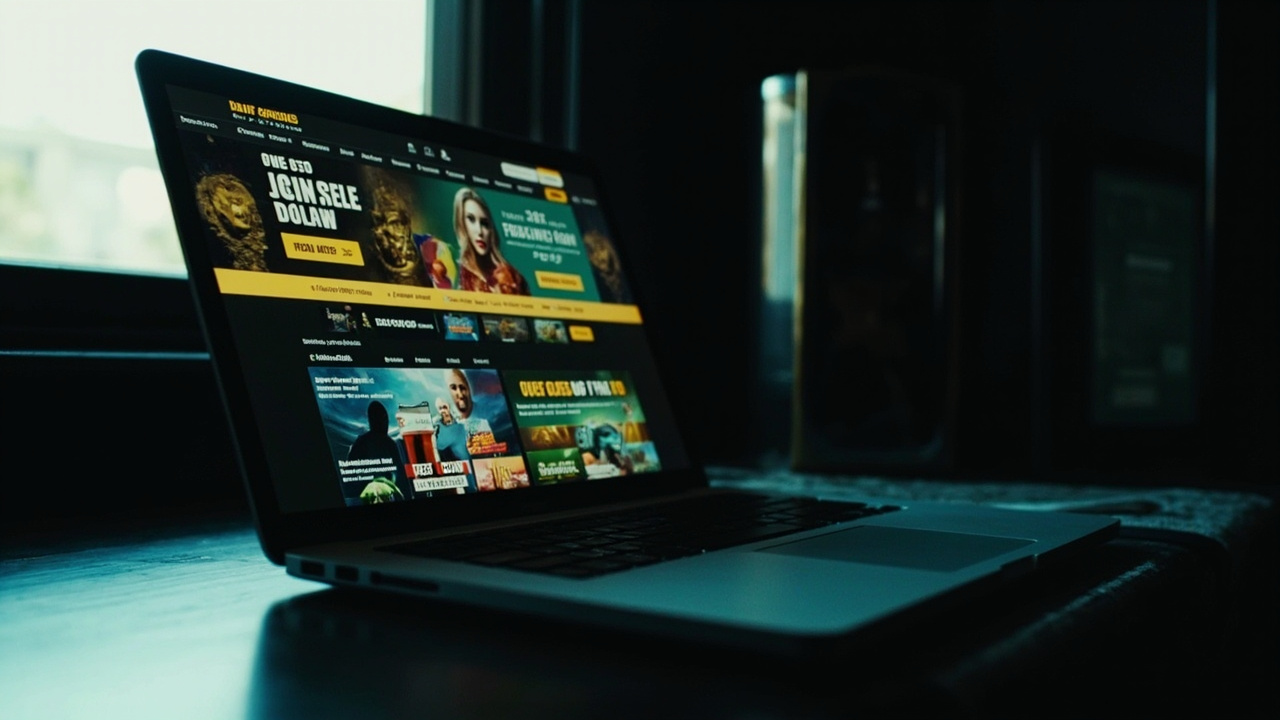
Registration is straightforward enough, but the payment side is where a tracking player feels the room’s process discipline. The wallet setup supports AUD and a couple of crypto options, and the withdrawal path is tied to the same verification step that covers the first deposit. That is not a hurdle for its own sake; it is the part that keeps a session from turning into a string of support requests when a transfer slows down. On mobile, the table view is functional rather than decorative, which is fine for a method that depends on reading the shoe and the discard tray rather than chasing animations. Support is available through live chat, and the queue discipline matters more than the chat widget’s colour scheme. In our work, we have learned that a clean wallet flow and a chat team that can actually follow a wallet hold or a pending crypto deposit are worth more than a polished lobby. If you are sitting in Perth and the local internet is doing its usual unpredictable thing, a stable table stream and a support team that does not treat every delay like a novelty become the difference between a focused session and a frustrated one.
Where the method fits, and where it does not
Shuffle tracking real blackjack is not a broad appeal play. It suits a player who is comfortable sitting through dull stretches, logging what matters, and accepting that the edge is thin and situational rather than constant. It does not suit anyone who wants a fast session, a busy screen, or a promise that the next shoe will behave the way the last one did. The method also depends on a room that lets you read the table without feeling rushed, which is a narrower requirement than most players expect. If you are the sort who prefers a quiet arvo session with a clear head and a willingness to walk away when the shuffle gets messy, the approach can fit. If you are looking for a busy table, a fast pace, and a bonus that magically smooths out the maths, it will not.
We have judged plenty of setups by how they handle the unglamorous parts, and the ones that hold up are the ones that treat a deliberate player as a normal part of the room, not a problem to manage. That is the comparison we keep coming back to: a clean process, a stable wallet path, and a support team that knows the difference between a genuine hold and a player who just wants the game to slow down on command. When those pieces line up, a tracking session can be a focused bit of work. When they do not, the method becomes an expensive way to learn the room’s flaws.
If you have sat through a shoe long enough to notice a pattern, what was the one detail that told you to stay seated or walk away?