Play Poker Online for Fun Without the Pressure
Not every session needs to end with a withdrawal request sitting in your queue. Some evenings are about the rhythm of the cards, the chat at the table, and a few dollars spent on entertainment rather than a grind for profit. If you want to play poker online for fun, the right room keeps the stakes low, the software steady, and the vibe welcoming without turning into a high-pressure sales floor. We have looked at how a few Australian-friendly rooms handle that balance, and the difference between a casual table and a grind-heavy lobby is bigger than most players realise before they sign up.
Finding a Room That Fits a Casual Session
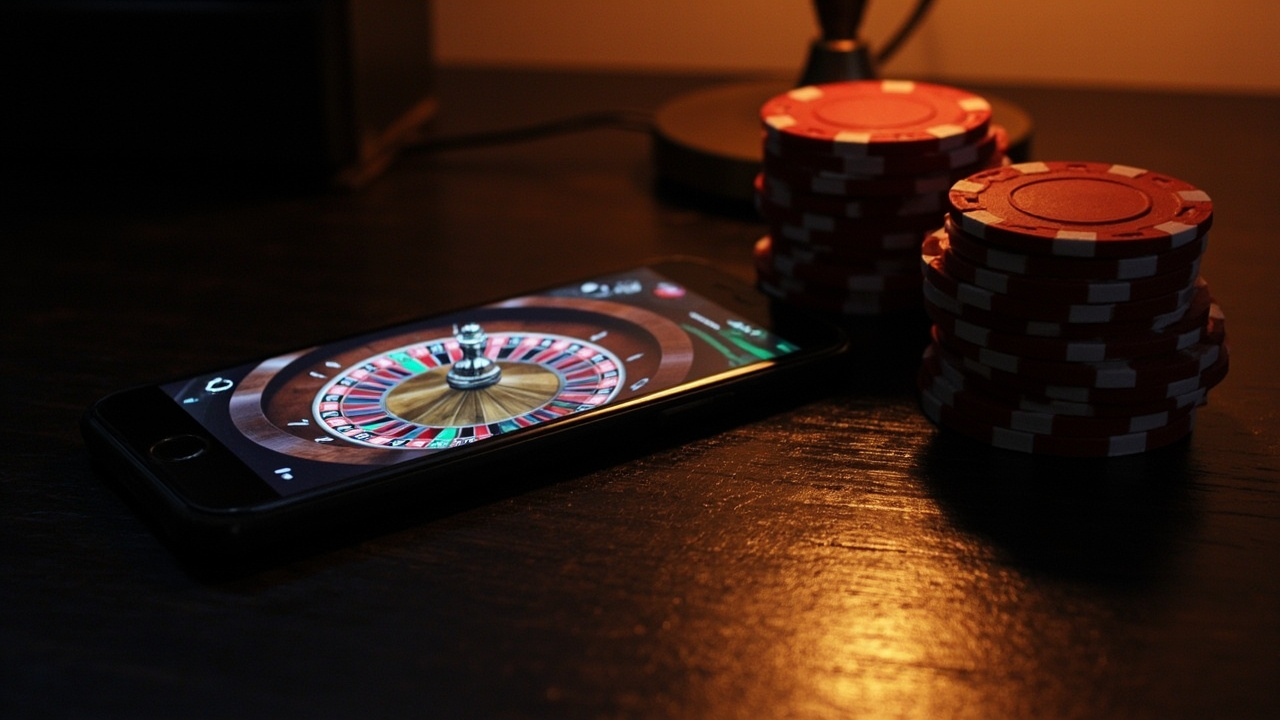
A lot of operators build their lobbies around high-volume traffic and fast-fold formats, which suits regulars chasing volume but can feel rushed if you just want to sip a beer and work through a hand or two. When you play poker online for fun, you want a table selection that does not punish you for taking a minute to think, and a rake structure that does not quietly eat a small bankroll over a quiet Tuesday arvo. I have spent years tuning game math and loyalty loops for live and online properties, and the rooms that keep casual players coming back usually treat low-stakes hold’em as a retention product, not a loss leader they hope to convert into high rollers overnight.
The best fit for a relaxed session usually has a few things working together. Soft table limits, a lobby that filters by stakes and format quickly, and a chat environment where the mods keep the noise down. You also want a provider stack that runs without lag on a decent connection, because nothing kills a casual vibe faster than a hand history that stalls mid-turn. A couple of details worth checking before you commit any time or money:
- Table limits that actually reach down to micro-stakes, not just a token $0.10 line that disappears by evening
- Rake or fee transparency, so you can work out what a modest session costs before you sit
- A lobby layout that separates tournaments from cash games without burying the softer fields
The Gold Coast has always had that mix of serious players and holiday-weekend casuals, and the rooms that work locally tend to respect both crowds instead of forcing one style onto everyone. If you are after a platform that keeps the sign-up noise proportional to the actual product, you can check the layout and game mix at jeetcasino.org and see whether the lobby matches how you want to spend an evening. That kind of fit matters more than a flashy welcome screen, because the room you return to three months later is the one that felt right on day one.
Stakes, Formats, and How to Keep It Light
The format you pick shapes the whole experience more than the branding on the login screen. No-limit hold’em cash games at low stakes suit players who like reading a table and making a few decisions per orbit, while tournament sit-and-gos can be handy when you want a defined endpoint and a fixed buy-in. I have consulted on loyalty and player value for rooms that run both, and the maths tells a clear story: a casual player who treats a tournament as entertainment usually gets a cleaner session cost than someone grinding cash games with no stop-loss in mind.
A few player-fit scenarios help narrow it down. If you want a short, self-contained session, a low-buy-in sprint tournament lets you play a set number of hands and then log off without watching a table run dry. If you prefer a slower pace, a micro-stakes cash table with a deep stack gives you room to make actual post-flop decisions instead of racing through folds. The third scenario is the social one, where a mixed table with a steady chat and a relaxed pace matters more than the blind structure itself. None of those is automatically better, and the operator side of the fence will tell you that volume and table fill rates drive the economics, while a regulator or responsible-gaming analyst will argue the clearer endpoint of a tournament helps keep a casual session bounded. Both sides have a point, and the right call depends on whether you want a defined finish or a table you can dip in and out of.
A quick comparison of common low-stakes formats:
Format Typical feel Good fit
Low-stakes NLHE cash Steady, decision-heavy Players who like reading a table
Micro buy-in tournaments Fixed endpoint, quicker finish Sessions with a set time limit
Spin-and-go or short-stakes events Fast, lottery-flavoured play A bit of variety without a long grind
Whatever you choose, the key to keeping it light is setting a session budget in Australian dollars before you sit down and treating it like the cost of a night out, not a bankroll you are trying to grow. That mindset is what separates a fun evening from a session that drifts past the point where it still feels like leisure.

Ongoing Reasons to Come Back After the Welcome Offer
A welcome offer gets your attention, but the reason you keep logging in months later is the recurring stuff. Cashback on a bad run, a weekly promo that gives you a reason to check the lobby on a quiet night, and a loyalty ladder that actually recognises repeat play rather than just chasing deposits all matter if you want to play poker online for fun over the long haul. I have built loyalty programmes for operators where the temptation is to reward only the highest volume, but the rooms that keep casual players engaged usually hand out small, frequent perks that make a modest session feel acknowledged instead of invisible.
Tournaments with recurring schedules are a solid hook, especially when the buy-ins stay modest and the fields do not turn into whale-heavy grinds every evening. A cashback mechanic can soften a rough session, provided the terms are clear and you are not chasing losses under the guise of a promo. The loyalty or VIP side should feel like a genuine thank-you for showing up, not a ladder designed to push you into higher stakes before you are ready. In casino slang, a whale is an ultra-wealthy, ultra-high-stakes gambler, and while those players can be important to a room’s economics, a casual lobby should not feel like it is built around them at the expense of everyone else.
A short list of recurring features worth looking for:
- Weekly or monthly promos with straightforward terms, not a maze of rollover conditions
- Cashback or loss-back offers that apply to real play and are explained in plain English
- A loyalty programme with visible progress and small rewards you can actually use
- Tournament schedules that repeat often enough to become a habit, not a one-off event
Payment side matters here too. A room that lets you move in and out in Australian dollars without a pile of currency conversion friction makes recurring play simpler, and support that answers a question in a reasonable timeframe keeps a casual session from turning into a headache. None of that guarantees a winning night, and it should not be sold that way, but it does make the room feel like a place you can return to without second-guessing the terms every time.
Responsible Play and the Local Reality
Playing for fun only stays fun when the boundaries are clear, and that is where the local reality in Australia matters. Offshore casino play is not licensed or regulated here, so anyone choosing to play poker online for fun is doing so with an operator outside the Australian regulatory framework, and that means the onus is on you to check the terms, the licence status of the room itself, and the responsible-gaming tools on offer. I have seen enough operator and analyst arguments to know the debate never settles neatly: some industry voices argue that access and choice are the priority, while regulators and responsible-gaming advocates focus on harm minimisation and clear consumer protections. Neither side owns the whole truth, and a player who wants a relaxed session has to weigh both.
Practical boundaries make the biggest difference. A session limit, a deposit limit, and a clear rule for when to step away keep a casual table from drifting into something heavier. It also helps to treat the activity as entertainment with a set cost, the same way you would budget for a night at a Gold Coast club or a few hours at a local venue, rather than a side hustle. Support tools should be easy to find, not buried behind three menus, and a room that makes them visible is usually a better fit for a player who wants to keep things light.
If you are playing with mates or comparing notes after a session, the conversation is usually more useful when it is about pace, stakes, and limits rather than who walked away with what. That kind of talk keeps the focus on the experience itself, which is the whole point when you sit down to play poker online for fun.
The right room for a casual session is the one that matches how you actually want to spend an evening, not the one with the loudest promo on the day. Keep the stakes modest, pick a format that suits your time and temperament, and look for the recurring features that make a return visit feel natural rather than forced. If the lobby, the game mix, and the terms all line up with a relaxed mindset, you can sit down, play a few hands, and log off without the session feeling like a chore.